What to Consider When Making Curtains for Tall Edinburgh Windows
Edinburgh’s Georgian and Victorian homes are stunning — but their tall windows can challenge even experienced sewers. They deserve curtains with presence, proportion, and warmth. Here’s what to consider before you pick fabric or make your first cut.
Why Period Windows Are a Joy — and a Puzzle
From New Town bays to Portobello terraces, historic homes share huge panes, deep recesses, and cold stone walls. Standard ready‑mades rarely reach the floor or align properly with old trim. That’s why sewing your own offers the best mix of precision and heritage sensitivity.
1. Getting the Drop Right
Measure from the top of the pole or track — placed typically 15–20 cm above the frame — down to just above the skirting. For a luxe, traditional finish, add an extra 2–4 cm so the fabric “kisses” the floor or pools slightly.
Don’t assume identical drops across a room; in many period homes one side can differ by 1–2 cm. Always measure each window individually.

2. Choose a Heading Style That Matches the Architecture
Some headings naturally complement high ceilings and deep cornices.
Double pinch pleat: neat and timeless; suits most rooms.
Goblet or triple pleat: best for grand drawing rooms.
Wave or eyelet: contemporary, ideal for updated interiors.
If in doubt, keep the heading depth roughly one‑sixth of the overall drop; it balances tall proportions without overwhelming.
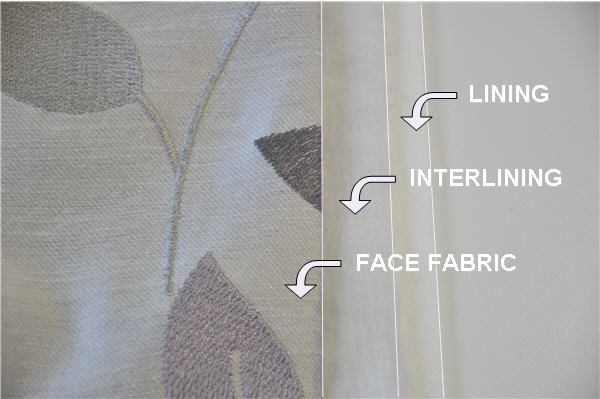
3. The Power of Interlining
Stone walls lose heat fast, so proper lining isn’t cosmetic — it’s functional insulation. The best combination for Edinburgh’s climate:
Interlining + cotton lining for warmth and structure.
Blackout lining where you need darkness.
Thermal suede‑style lining for draughty street‑facing windows.
4. Fabric Weight and Pattern Scale
Lightweight cottons tend to float oddly on long drops. Choose responsibly heavy fabrics: velvet, wool blends, heavy linen, or cotton canvas. The drape adds sophistication and keeps pleats crisp.
Large prints — damask, paisley, or generous botanical motifs — read correctly on tall windows; small prints vanish from a distance. Stand three metres back in the shop: if you can’t see the pattern clearly, it’s probably too fine.
5. Hardware and Hanging
Avoid thin poles that sag under long drops. For windows over 2.5 m, use 38‑50 mm diameter poles with robust brackets. Classic brass or painted wood works beautifully in Georgian settings; sleek steel or black matte suits Victorian conversions.
Tip: extend poles 15 cm past each side so curtains clear the glass when open — letting light pour in.
6. Planning Your Workspace
Tall‑window curtains mean handling 5–6 metres of fabric per panel. Plan a clean floor area or two long trestle tables for cutting and pinning. In class, we use raised work tables — saving backs and accuracy.

7. Colour and Character
Historic homes can carry colour confidently. Sage, teal, warm reds, and aged golds echo traditional palettes. But monochrome wools and textured neutrals offer a modern take without fighting period detail.
Don’t feel bound to heritage prints; proportion and drape matter more than replication.
Why Off‑the‑Shelf Rarely Fits
Ready‑mades usually stop at 228 cm. A typical Edinburgh drawing‑room window? 250–320 cm. Those extra few inches make a visible difference. Custom work — or DIY sewing informed by professional methods — means a perfect break along the floor rather than fabric that hovers awkwardly.
Where to Learn These Skills
Our Soft Furnishings Course at Joppa Sewing School tackles the specific challenges of Edinburgh period homes: long drops, recesses, uneven floors, and tricky interlining. You’ll measure, cut, and sew full‑length curtains in a calm, light garden studio.

Final Thought
Tall windows are architectural art — give them curtains worthy of their scale. With the right preparation, fabric, and fit, you can create pieces that enhance the room for decades. Our Soft Furnishings Course teaches measurements for tall Georgian and Victorian windows — next workshop starts April 29th.


Comments